




What is the project about?
The energy sector, including electricity and heat producers and operators, is highly exposed to climate-related risks, as well as technological, economic, social and political risks that may threaten the energy transition and the security of energy supply.
The project focuses on supporting energy companies in assessing risks to heat generation from conventional and renewable sources in the context of climate change. This includes heat stress and its impact on cooling systems, as well as water efficiency, water scarcity and their consequences for power plant operations.
The project will also investigate the impact of the increasing frequency and intensity of extreme weather events on energy supply and grid stability.
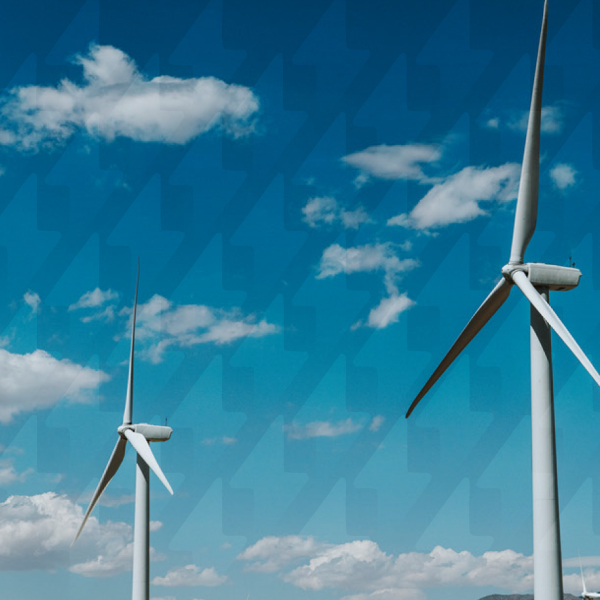
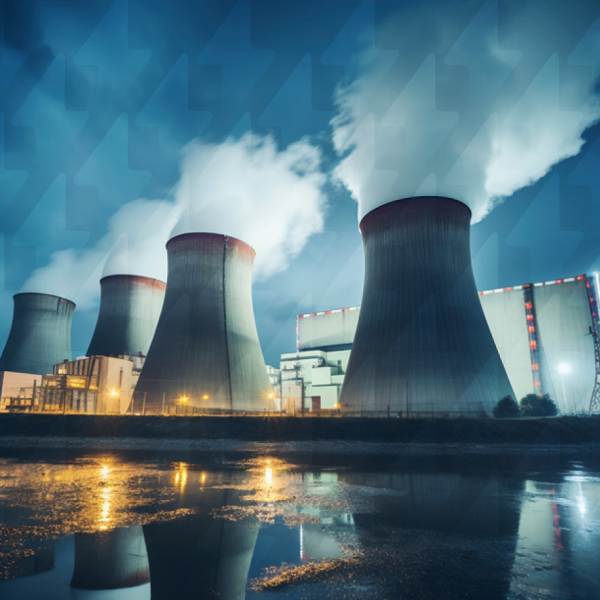
Differences in the impact of these hazards on thermal power plants using conventional energy sources and on renewable energy installations will be analysed. Technological, economic, social and political risks will also be examined.
We will work with energy companies and decision-makers to jointly develop effective adaptation measures. The project will also review available software and analytical capabilities for climate risk managers and sustainability professionals in the energy generation sector.
Based on this work, a climate risk management software platform will be developed to address the sector’s needs in the areas of risk management and climate change adaptation.
Through robust research conducted with the participation and supervision of scientists, the ClimateREPOWER project will improve understanding of the vulnerability of thermal power plants, including coal-, oil- and gas-fired facilities, as well as renewable energy sources such as solar, wind, hydropower and biomass, to climate-related hazards.
The main objective of the project is to conduct research that will provide the basis for developing a climate change-aware risk management tool with forecasting capabilities to support decision-making by energy companies.
Specific objectives include:
- conducting vulnerability and risk assessments for thermal and renewable energy generation in relation to major climate hazards at 10 selected companies in Poland, which will serve as case studies;
- developing adaptation strategies for the case studies;
- developing a comprehensive and innovative tool for assessing physical climate risks to power plants, designed for use in Poland;
- involving at least four early-career researchers and transferring knowledge to more than 30 early-career researchers through dedicated workshops;
- implementing a tailored stakeholder engagement process and targeted dissemination activities addressed to the scientific, business and education sectors, as well as the general public.